


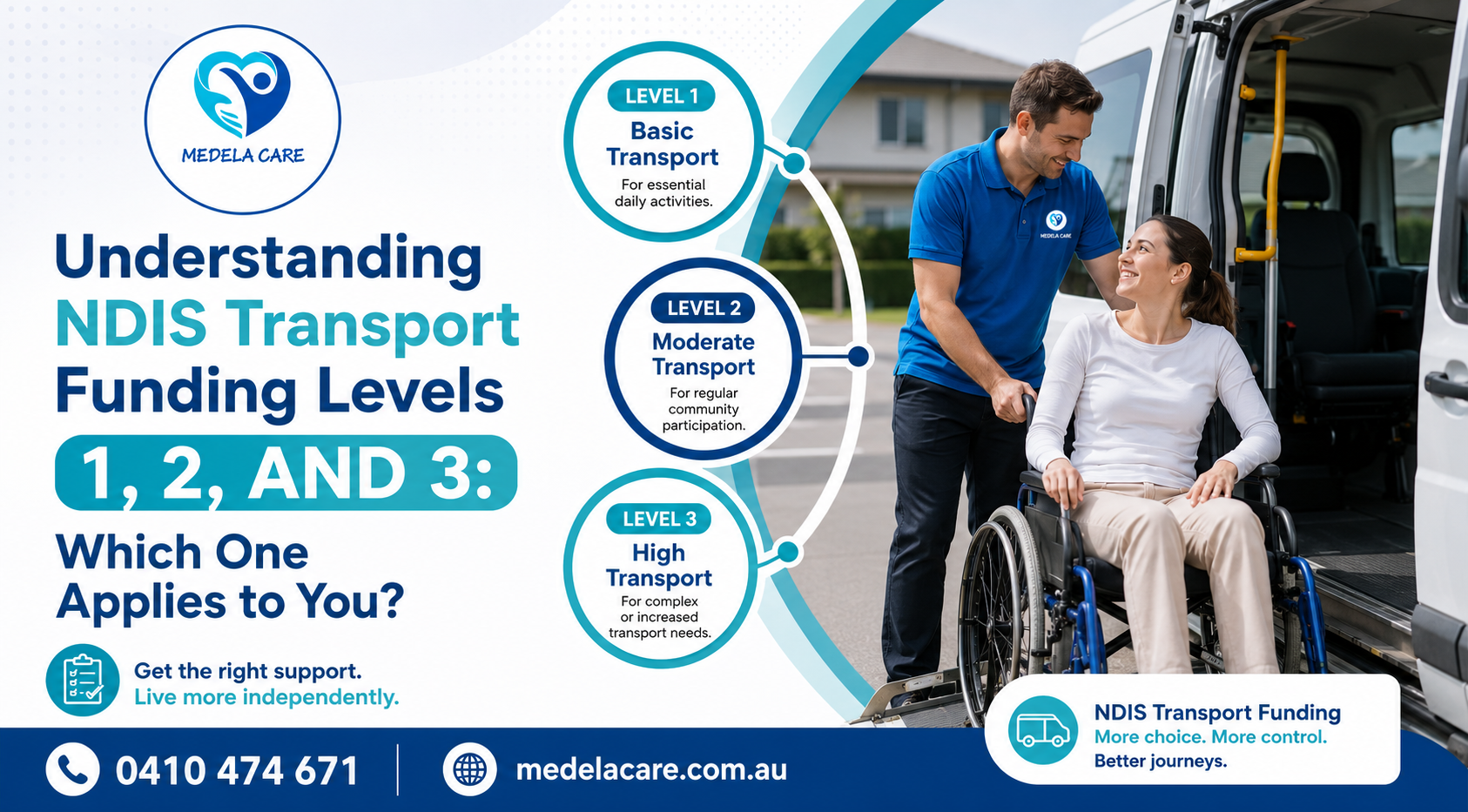
The National Disability Insurance Scheme (NDIS) provides transport support for people with disabilities. Three distinct funding levels exist to match different participant needs. Each level offers varying support amounts and eligibility criteria. This guide explains everything simply, helping you understand which level suits your situation best.
What Are NDIS Transport Funding Levels?
NDIS transport assistance operates through three main funding categories. Each tier addresses different independence levels and travel frequency. Understanding these tiers helps participants plan effectively. Your plan coordinator helps determine the right fit.
Level 1: Basic Mobility Support
Level 1 is the foundational transport assistance option. It covers essential trips for daily activities and appointments. This level includes journey planning guidance and basic support. Most participants seeking NDIS transport services in Sydney CBD or elsewhere begin here.
Who typically uses Level 1:
- People needing occasional transport help only
- Those managing independent community access successfully
- Individuals requiring guidance rather than direct assistance
- Participants with strong informal support networks available
Level 2: Moderate Transport Assistance
Level 2 provides more comprehensive mobility support solutions. It covers regular trips with moderate personalised assistance included. Support workers help coordinate travel and navigate routes. Many participants using NDIS transport services in Surry Hills choose this intermediate level.
Level 2 typically includes:
- Weekly transport to important appointments
- Community participation support for social activities
- Assistance with accessible transport options available
- Travel training when participants require it
Level 3: Comprehensive Transport Support
Level 3 offers the most extensive specialised transport assistance. It suits people requiring significant help with mobility. This level provides regular, personalised transport coordination. Participants with complex care needs accessing NDIS transport services in Paddington often require this comprehensive tier.
Level 3 covers:
- Daily or frequent transport assistance
- Complex travel arrangements and coordination services
- Accessible vehicle options where medically necessary
- Ongoing support worker accompaniment throughout journeys
Determining Your Transport Funding Level
Your individualised plan assessment considers several important factors. The scheme evaluates your independence and specific requirements carefully. Participants seeking NDIS transport services in Darlinghurst complete thorough needs evaluations. Your disability support needs ultimately guide the funding decision.
Key assessment considerations include:
- Your current independence and mobility level
- Frequency of transport needs throughout your week
- Availability of informal support from friends or family
- Accessibility requirements for your personal situation
- Employment or study commitments and transport demands
Making the Right Choice for Your Needs
Consulting your support team before selecting helps significantly. Your care coordinator can explain funding implications and options. Different levels suit different lifestyle situations and aspirations. When exploring NDIS transport services in Ultimo, discuss goals with your coordinator.
Conclusion
Understanding your NDIS transport funding level empowers better planning decisions. Each level — basic, moderate, or comprehensive — addresses specific participant needs effectively. Choosing the right tier ensures you receive appropriate support. Contact the specialist team to discuss your transport requirements today.
Ready to explore your options? Reach out to our expert team at Medela Care. Call 0410 474 671 or email info@medelacare.com.au for personalised guidance. Visit https://medelacare.com.au/ to learn more about comprehensive transport assistance solutions available.
Frequently Asked Questions
1. How do I know which NDIS transport funding level I need?
Your plan coordinator assesses your independence, frequency of transport needs, and available informal support. They recommend the appropriate level during plan development discussions.
2. Can I change my transport funding level after my plan approval?
Yes, you can request a plan review if your circumstances change. Level adjustments happen during annual reviews or when significant needs shift.
3. Does Level 1 cover all my travel costs?
Level 1 provides baseline transport assistance only. It’s designed for occasional trips, not comprehensive daily transport coverage.
4. What’s the main difference between Level 2 and Level 3?
Level 2 offers moderate support for regular trips. Level 3 provides extensive assistance for frequent, complex transport requirements.
5. How frequently can I use transport services at each level?
Level 1 suits occasional needs throughout your month. Level 2 covers regular weekly or fortnightly trips. Level 3 supports daily or frequent transport requirements.
6. Are there costs for participants at each funding level?
Transport funding is included in your NDIS plan. Additional out-of-pocket expenses depend on your chosen support options.
7. Can I use different levels for different activities?
Your plan includes one transport funding level. However, coordinators tailor support to specific activity requirements within that level.
8. What if my transport needs are seasonal or irregular?
Flexible transport assistance options exist for varying needs. Discuss irregular patterns with your plan coordinator during reviews.
9. How does employment travel get covered under these levels?
Employment-related travel may fall under work participation support. Your plan coordinator integrates employment transport into your chosen level.
10. What support is available if I’m unsure about my current level?
Contact your plan manager or support coordinator immediately. They clarify current funding and explain level differences comprehensively.

